
Expert Hip Replacement Care
What Is Hip Replacement Surgery?
When Do You Need Hip Replacement?
Not every person with hip pain needs surgery. Therefore, an orthopedic evaluation remains important before making a decision.
Doctors may consider hip replacement when you experience:
- Persistent hip pain
- Severe arthritis
- Difficulty walking
- Pain while climbing stairs
- Reduced hip movement
- Difficulty performing daily activities
- Pain that affects sleep
- Limited benefit from non-surgical treatment
- Significant joint damage on imaging
Moreover, your doctor may first recommend medicines, physiotherapy, activity modification, weight management, or other suitable treatments. Surgery becomes an option when these measures do not provide adequate relief.
Common Causes of Hip Joint Damage
Several conditions can damage the hip joint over time. Osteoarthritis remains one of the common causes of severe hip pain and stiffness. The cartilage gradually wears down and can make joint movement painful.
In addition, rheumatoid arthritis can cause inflammation and joint damage. Hip fractures may also lead to serious joint problems, especially in older adults.
Other possible causes include:
- Avascular necrosis
- Previous hip injuries
- Developmental hip problems
- Inflammatory joint diseases
- Advanced joint degeneration
- Certain hip conditions that affect the blood supply
Therefore, the right treatment depends on the underlying cause and the extent of joint damage.
Benefits of Hip Replacement
Hip replacement aims to reduce pain and improve hip function. Many suitable patients experience better mobility after recovery.
Potential benefits include:
- Reduced hip pain
- Improved walking ability
- Better joint movement
- Greater independence in daily activities
- Improved quality of life
- Better sleep when pain previously disturbed rest
- Improved ability to perform suitable physical activities
However, results can vary from person to person. Your recovery also depends on your general health, rehabilitation, implant selection, and adherence to post-operative instructions.
Hip Replacement Procedure
Before surgery, your orthopedic surgeon evaluates your hip and overall health. The doctor may recommend X-rays and other tests to understand the condition of the joint.
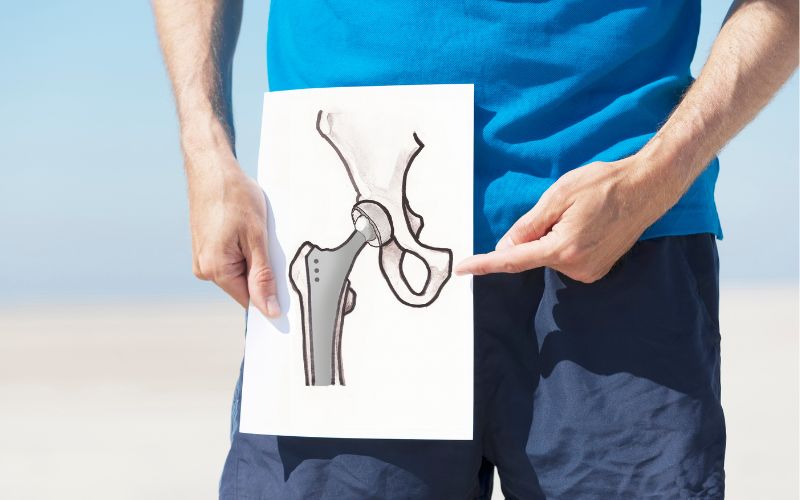
During surgery, the damaged portions of the hip joint are removed. The surgeon then places artificial components designed to restore joint movement.
The exact surgical approach and implant choice depend on your individual condition. Therefore, your surgeon will explain the procedure, expected recovery, possible risks, and precautions before surgery.
Dr. Abhinav Jogani has listed Total Hip Replacement among his orthopedic treatments, according to available professional healthcare information
Recovery After Hip Replacement
Recovery starts soon after surgery. Your medical team may encourage suitable movement and walking based on your condition.
Physiotherapy plays an important role during recovery. Therefore, follow the exercises recommended by your healthcare team. These exercises can help improve strength, mobility, balance, and confidence.
Your recovery plan may include:
- Guided physiotherapy
- Walking exercises
- Strengthening exercises
- Mobility training
- Wound care
- Medication as prescribed
- Follow-up visits
- Gradual return to daily activities
However, recovery time differs between patients. Avoid rushing back to strenuous activities. Instead, follow your surgeon’s instructions and increase activity gradually.
Why Choose Dr. Abhinav Jogani for Hip Replacement in Nagpur?
Choosing an orthopedic surgeon requires careful consideration. You should look for appropriate qualifications, experience, surgical expertise, and a clear approach to patient care.
Dr. Abhinav Jogani is listed as an orthopedic doctor and consultant in Nagpur. Available professional information lists his qualifications as MBBS, MS General Surgery, and DNB Orthopaedics. His areas of orthopedic interest include hip replacement and other joint replacement procedures.
He has also contributed to orthopedic research. The Government Medical College Nagpur orthopedic department lists research publications involving Dr. Abhinav Jogani, including research related to hip arthroplasty outcomes in Indian patients.
Moreover, a personalized consultation allows you to discuss your symptoms, diagnostic reports, treatment options, expected recovery, and surgery-related concerns.