
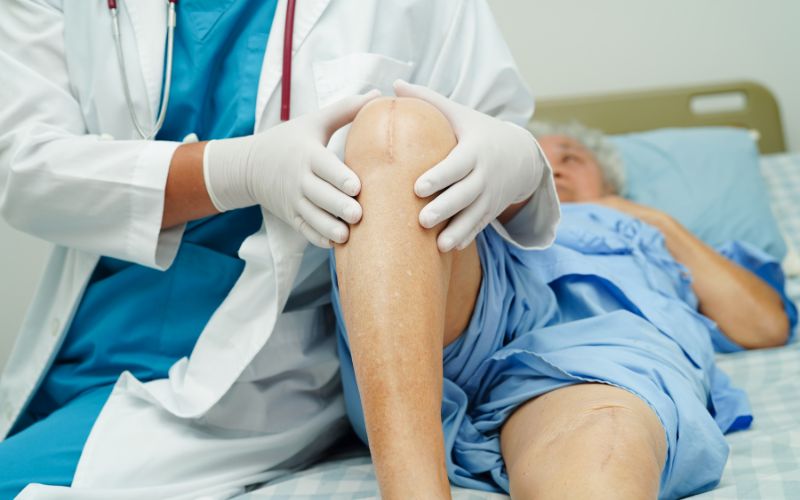
What Is Shoulder Arthroscopy?
Moreover, this technique can help doctors treat several conditions without using a large surgical incision.
Doctors may use shoulder arthroscopy to treat:
- Rotator cuff tears
- Shoulder impingement
- Labral tears
- Shoulder instability
- Recurrent shoulder dislocation
- Frozen shoulder in selected cases
- Certain cartilage problems
- Inflamed joint tissue
- Some biceps tendon problems
Therefore, the exact procedure depends on the shoulder condition and the patient’s individual needs.
When Do You Need Shoulder Arthroscopy?
Not everyone with shoulder pain needs surgery. Doctors usually begin with appropriate non-surgical treatments when possible.
However, surgery may become an option when:
- Shoulder pain continues despite conservative treatment
- A rotator cuff tear causes significant symptoms
- The shoulder repeatedly dislocates
- A labral injury affects shoulder stability
- Shoulder impingement causes persistent symptoms
- A structural problem requires surgical correction
- Shoulder weakness affects daily activities
- An injury causes significant internal damage
Your orthopedic surgeon will assess your symptoms, physical examination findings, imaging reports, age, activity level, and overall health before recommending surgery.
Common Shoulder Problems Treated With Arthroscopy
Rotator Cuff Tear
The rotator cuff contains muscles and tendons that help control shoulder movement. A tear can cause pain, weakness, and difficulty lifting the arm.
Shoulder arthroscopy may allow the surgeon to repair a suitable rotator cuff tear using specialized instruments.
Shoulder Impingement
Shoulder impingement can cause pain during overhead movement. It may affect people who perform repetitive overhead activities.
Therefore, your doctor may first recommend physiotherapy, activity modification, medication, or other suitable treatments. Surgery may become appropriate when symptoms continue despite conservative care.
Labral Tear
The labrum helps stabilize the shoulder joint. An injury can cause pain, clicking, instability, or repeated dislocation.
Arthroscopy can help the surgeon examine the labrum and repair suitable tears.
Shoulder Instability
Repeated shoulder dislocation can damage structures that support the joint. Therefore, some patients may require arthroscopic stabilization to improve shoulder stability.
Symptoms That May Require Evaluation
Shoulder problems can develop gradually or occur suddenly after an injury. Common symptoms include:
- Persistent shoulder pain
- Pain during overhead movement
- Shoulder weakness
- Reduced range of motion
- Clicking or catching
- Shoulder instability
- Repeated dislocation
- Pain while sleeping
- Difficulty lifting objects
- Difficulty performing daily activities
Moreover, sudden severe pain after an injury requires timely medical assessment.
How Is Shoulder Arthroscopy Diagnosed?
Your orthopedic surgeon begins with a detailed discussion about your symptoms and medical history. The doctor then examines shoulder movement, strength, stability, and tenderness.
Imaging tests can provide additional information. Your doctor may recommend an X-ray, ultrasound, MRI, or other investigation depending on your symptoms.
Therefore, proper diagnosis helps determine whether you need physiotherapy, medication, injections, arthroscopy, or another treatment.
Benefits of Shoulder Arthroscopy
Shoulder arthroscopy uses small surgical openings compared with traditional open procedures. Therefore, it can reduce disruption to surrounding tissues in suitable cases.
Potential benefits include:
- Smaller incisions
- Less tissue disruption
- Better visualization of the joint
- Treatment of certain problems during the same procedure
- Smaller scars
- Structured rehabilitation
- Potentially faster recovery in suitable patients
However, results vary between patients. Your surgeon can explain the expected benefits and limitations based on your specific condition.
Shoulder Arthroscopy Procedure
Before surgery, your orthopedic team evaluates your shoulder and overall health. Your surgeon then discusses the planned procedure and recovery process.
During arthroscopy, the surgeon makes small incisions around the shoulder. The arthroscope provides a clear view of the joint on a monitor.
The surgeon can then use specialized instruments to repair or treat the identified problem. The exact technique depends on the condition.
After surgery, the medical team provides instructions regarding pain control, wound care, movement, and rehabilitation.
Physiotherapy After Shoulder Arthroscopy
Physiotherapy plays an important role after shoulder arthroscopy. It helps restore movement and gradually rebuild shoulder strength.
Your physiotherapist may introduce exercises according to your recovery stage. Therefore, do not perform advanced exercises too early.
A structured rehabilitation program can help improve:
- Shoulder mobility
- Muscle strength
- Joint stability
- Coordination
- Functional movement
- Confidence during daily activities
Your recovery timeline will depend on the procedure and your individual healing process.
Recovery After Shoulder Arthroscopy
Recovery depends on the type of procedure performed. A simple arthroscopic procedure may require a different recovery plan than a rotator cuff repair or shoulder stabilization procedure.
Your rehabilitation may include:
- Pain and swelling management
- Gentle shoulder movement
- Physiotherapy
- Range-of-motion exercises
- Strengthening exercises
- Gradual return to daily activities
- Activity-specific rehabilitation
Moreover, follow your surgeon’s instructions carefully. Avoid heavy lifting or demanding shoulder movements until your medical team confirms that your shoulder can handle them.