
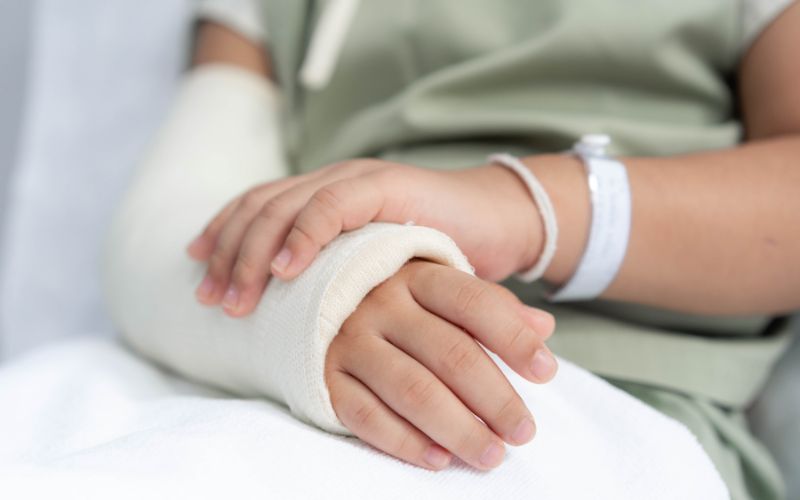
What Is Fracture & Trauma Care?
Fracture and trauma care focuses on diagnosing and treating injuries to bones, joints, ligaments, tendons, and surrounding tissues.A fracture occurs when a bone breaks or develops a crack. Trauma can also cause dislocations, ligament injuries, tendon damage, and soft-tissue injuries.
Fracture and trauma care may include:
- Fracture diagnosis
- Fracture stabilization
- Dislocation treatment
- Joint injury management
- Soft-tissue injury care
- Surgical fracture fixation
- Rehabilitation
- Follow-up care
Common Causes of Fractures and Trauma
Orthopedic injuries can happen in many situations.
Common causes include:
- Road accidents
- Sports injuries
- Falls
- Workplace accidents
- Heavy-impact injuries
- Twisting injuries
- Direct blows
- Industrial accidents
- Age-related falls
Older adults may have a higher risk of fractures after falls because weaker bones can break more easily. Therefore, early assessment remains important after significant trauma.
Common Types of Fractures
Fractures can vary according to the location, severity, and pattern of the injury.
Common types include:
Simple Fracture
A simple fracture does not break through the skin. The bone may still require proper alignment and immobilization.
Compound Fracture
A compound or open fracture creates a wound that connects the fracture with the outside environment. This type of injury requires urgent medical care because infection can occur.
Comminuted Fracture
A comminuted fracture breaks the bone into multiple pieces. Doctors may need surgical fixation depending on the injury.
Displaced Fracture
A displaced fracture causes the broken bone ends to move out of their normal alignment. Treatment may require repositioning and stabilization.
Stress Fracture
Repeated stress can create a small crack in a bone. Athletes and people who perform repetitive physical activities may experience these injuries.
Therefore, the treatment depends on the fracture type and the patient’s overall condition.
Symptoms of a Fracture
A fracture can cause sudden and noticeable symptoms.
Common signs include:
- Severe pain
- Swelling
- Bruising
- Difficulty moving the injured area
- Tenderness
- Deformity
- Difficulty putting weight on a limb
- Limited joint movement
- Abnormal movement
Moreover, an open wound near a suspected fracture requires immediate medical attention.
What Is Orthopedic Trauma?
Orthopedic trauma includes injuries that affect the bones, joints, muscles, ligaments, tendons, and other supporting tissues.
Trauma can involve:
- Fractures
- Dislocations
- Ligament injuries
- Tendon injuries
- Joint injuries
- Multiple orthopedic injuries
- Soft-tissue damage
Severe accidents can cause more than one injury. Therefore, doctors carefully assess the patient’s overall condition before beginning definitive treatment.
How Are Fractures Diagnosed?
Your orthopedic doctor begins by reviewing how the injury occurred and examining the affected area.
The doctor may check:
- Pain
- Swelling
- Movement
- Bone alignment
- Joint stability
- Blood circulation
- Nerve function
Imaging tests can help confirm the diagnosis. Your doctor may recommend an X-ray, CT scan, MRI, or other investigation depending on the injury.
Therefore, accurate diagnosis helps your doctor select the most appropriate treatment.
Fracture Treatment
Treatment depends on the fracture location, severity, alignment, age, activity level, and overall health.
Non-Surgical Fracture Treatment
Some fractures can heal without surgery. Doctors may use:
- Casts
- Splints
- Braces
- Immobilization
- Activity restriction
- Follow-up imaging
Your doctor monitors healing and may adjust the treatment as the bone recovers.
Surgical Fracture Treatment
Some fractures require surgery to restore bone alignment and stability.
Surgical treatment may involve:
- Plates
- Screws
- Rods
- Wires
- External fixation
- Other orthopedic implants
The choice depends on the fracture pattern and location.
Fracture Surgery Recovery
Recovery varies according to the type and location of the fracture. Some fractures heal within several weeks, while complex injuries may require a longer recovery period.
Your rehabilitation may include:
- Pain management
- Immobilization
- Gradual movement
- Physiotherapy
- Muscle strengthening
- Balance training
- Walking exercises
- Gradual return to normal activities
Moreover, follow your orthopedic surgeon’s instructions carefully. Avoid putting excessive stress on the injured bone before adequate healing.
When Should You Seek Emergency Fracture Care?
Some injuries require immediate medical attention. Seek urgent care when an injury causes:
- Severe bleeding
- An open wound over the injured bone
- Visible deformity
- Severe swelling
- Loss of sensation
- Cold or pale fingers or toes
- Inability to move the limb
- Severe pain after major trauma
Do not try to force a severely injured limb back into position. Instead, keep the area as still as possible and seek medical help.
Physiotherapy After Fracture
Physiotherapy can help restore movement and strength after a fracture or orthopedic injury.
Depending on the affected area, rehabilitation may focus on:
- Joint movement
- Muscle strength
- Flexibility
- Balance
- Walking ability
- Coordination
- Functional activities
Therefore, a structured rehabilitation plan can support your return to everyday activities.