
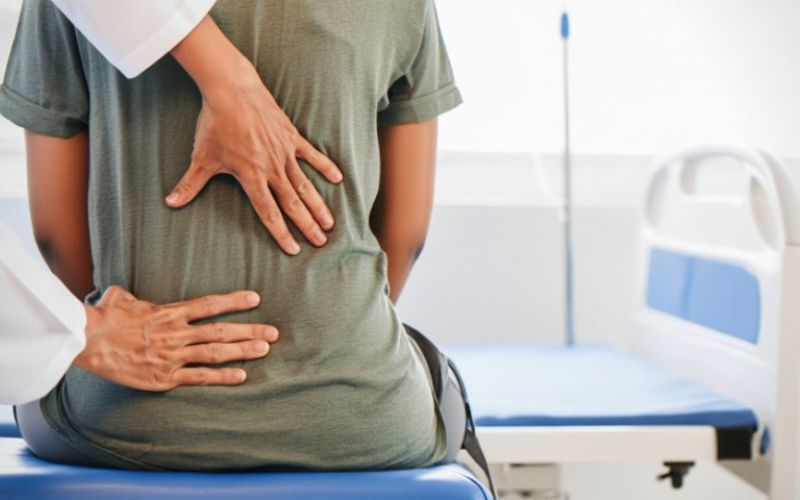
What Is Spine Care?
Spine care focuses on preventing, diagnosing, and treating conditions that affect the spine. Doctors may use medicines, physiotherapy, lifestyle changes, injections, or surgery based on the patient’s condition.
Moreover, many spine problems improve with non-surgical treatment. However, some conditions may require surgical intervention when symptoms persist or nerve compression causes significant problems.
Good spine care may include:
- Accurate diagnosis
- Pain management
- Physiotherapy
- Posture correction
- Exercise guidance
- Lifestyle changes
- Weight management
- Activity modification
- Regular follow-up
- Surgery when appropriate
Therefore, early medical attention can help prevent persistent symptoms from affecting your quality of life.
Common Spine Problems
Several conditions can affect the spine. Some develop gradually, while others occur after an injury.
Common spine conditions include:
- Slip disc
- Herniated disc
- Sciatica
- Spinal stenosis
- Spondylosis
- Back pain
- Neck pain
- Disc degeneration
- Spinal injuries
- Nerve compression
- Spinal deformities
Each condition requires an individual assessment. Therefore, avoid relying only on home remedies when pain continues or symptoms worsen.
Symptoms of Spine Problems
Spine problems can cause different symptoms depending on the affected area and underlying condition.
Common symptoms include:
- Back pain
- Neck pain
- Stiffness
- Pain spreading to the legs or arms
- Tingling
- Numbness
- Muscle weakness
- Difficulty walking
- Reduced movement
- Pain that worsens with certain activities
Moreover, symptoms that affect strength, sensation, balance, or walking require timely medical evaluation.
What Causes Spine Problems?
Several factors can contribute to spinal problems. Age-related changes can gradually affect the discs, joints, and vertebrae.
Other causes may include:
- Poor posture
- Sedentary lifestyle
- Repetitive physical activity
- Heavy lifting
- Sports injuries
- Road accidents
- Obesity
- Disc degeneration
- Natural aging
- Previous spinal injuries
Therefore, maintaining a healthy weight, staying active, and using proper body mechanics can support overall spine health.
Non-Surgical Spine Treatment
Doctors usually consider conservative treatment when surgery does not provide a clear benefit.
Depending on your condition, treatment may include:
- Medicines prescribed by your doctor
- Physiotherapy
- Stretching exercises
- Strengthening exercises
- Posture correction
- Activity modification
- Weight management
- Heat or cold therapy
- Other non-surgical treatments
Physiotherapy can help improve flexibility, strength, posture, and movement. However, follow exercises recommended by a qualified professional instead of performing exercises without proper guidance.
When Is Spine Surgery Required?
Most back pain does not automatically require surgery. Doctors consider surgery when symptoms, examination findings, and imaging indicate a suitable surgical problem.
Your doctor may consider spine surgery when you have:
- Persistent symptoms despite appropriate treatment
- Significant nerve compression
- Progressive weakness
- Severe spinal stenosis
- Certain disc problems
- Spinal instability
- Some spinal injuries
- Specific structural abnormalities
Therefore, your surgeon will assess your symptoms and diagnostic reports before recommending surgery.
Types of Spine Surgery
The appropriate surgery depends on the condition, spinal level, nerve involvement, and overall health.
Possible procedures include:
Discectomy
A discectomy removes part of a damaged disc that presses on a nerve. Doctors may consider this procedure for selected patients with symptomatic disc problems.
Spinal Decompression
Decompression surgery creates more space for compressed nerves. Doctors may use this approach for selected cases of spinal stenosis or nerve compression.
Spinal Fusion
Spinal fusion joins selected vertebrae to provide stability. Surgeons may consider fusion for certain conditions that cause spinal instability or structural problems.
Minimally Invasive Spine Surgery
Some spinal procedures use smaller incisions and specialized instruments. However, not every patient qualifies for minimally invasive surgery. Your surgeon will determine the suitable technique based on your condition.
Benefits of Appropriate Spine Treatment
The goal of spine treatment is to reduce symptoms and improve function. Depending on your condition, treatment may help:
- Reduce pain
- Improve mobility
- Improve posture
- Reduce nerve-related symptoms
- Improve daily activities
- Restore physical function
- Improve quality of life
However, results depend on the underlying condition and individual health. Therefore, your doctor will discuss realistic treatment goals during your consultation.
Recovery After Spine Surgery
Recovery depends on the type of surgery, spinal condition, general health, and rehabilitation plan.
Your recovery may involve:
- Pain management
- Wound care
- Gradual movement
- Physiotherapy
- Walking exercises
- Strengthening exercises
- Posture training
- Regular follow-up
Moreover, following your surgeon’s instructions can support safe recovery. Avoid heavy lifting and strenuous activity until your medical team provides clearance.